Regional Engagement & National Integration
From the insurgency-affected highlands of Nagaland to the politically vibrant landscape of Tamil Nadu and West Bengal — R. N. Ravi's governance journey represents a masterclass in understanding and serving India's extraordinary regional diversity.
The Northeast — Frontline of National Integration
R. N. Ravi's engagement with Northeast India predates his gubernatorial appointment and has deeper roots in his intelligence career. As a senior intelligence official and later as Deputy NSA, he was intimately involved with the security and political dynamics of the region — from counter-insurgency operations to peace negotiations, from understanding tribal political structures to developing governance frameworks that balance national sovereignty with regional aspirations.
The Northeast represents one of the most complex governance challenges in the world. Home to over 200 ethnic groups, dozens of languages, multiple insurgent movements, and a geography that borders four international boundaries — with Myanmar, Bangladesh, Bhutan, and China — the region demands governance that is simultaneously sensitive to local realities and aligned with national strategic objectives.
Ravi's intelligence background gave him a unique entry point into the Northeast's complexities. Unlike administrators who encounter these challenges for the first time upon appointment, he arrived in Nagaland with decades of engagement with the region's security dynamics, its political factions, and the delicate balance of forces that shapes its governance.
His role as the Government of India's interlocutor for the Naga peace process was perhaps the most consequential expression of his northeast engagement. The Naga issue — rooted in pre-independence assertions of sovereignty, shaped by decades of armed conflict, and complicated by ethnic diversity within the Naga community itself — represents one of the most intractable political challenges in South Asia. Ravi's handling of this process, with its combination of strategic patience, security awareness, and political sensitivity, reflected the intelligence discipline's emphasis on long-term engagement over quick fixes.
As Governor of Nagaland and Meghalaya, he continued this engagement at the gubernatorial level — using the constitutional office to promote governance reform, institutional accountability, and development strategies tailored to the specific needs of these states. His understanding that the Northeast's development challenges are inseparable from its security dynamics allowed him to pursue governance strategies that addressed both dimensions simultaneously.
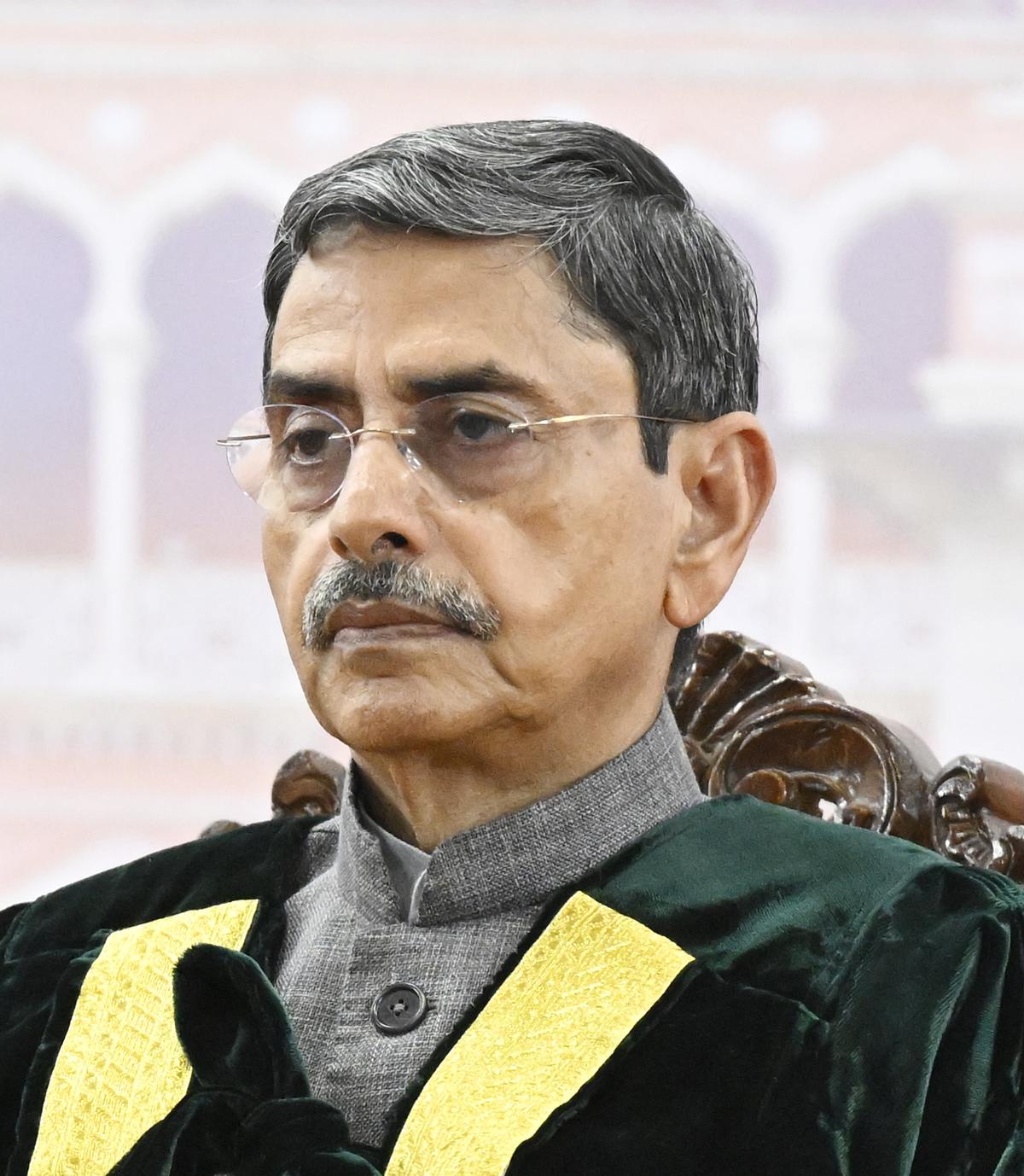
Tamil Nadu — Navigating Dravidian Democracy
R. N. Ravi's tenure as Governor of Tamil Nadu immersed him in one of India's most distinctive political and cultural landscapes. Tamil Nadu's Dravidian political tradition — rooted in social reform movements, linguistic identity, and a powerful tradition of state-level political autonomy — presented governance challenges that required a fundamentally different approach from the northeast.
The Dravidian political ecosystem is characterised by strong ideological currents, deeply institutionalised party structures, and a public discourse that is among the most politically sophisticated in India. The state's proud cultural heritage, its linguistic identity, and its tradition of social reform create a governance environment where every action of the Governor is scrutinised through the lens of cultural politics, centre-state relations, and the ongoing negotiation between regional and national identity.
Ravi's approach to Tamil Nadu governance was shaped by his conviction that national integration should not come at the expense of regional identity, but that regional identity should be expressed within a framework of constitutional values and national unity. He encouraged the celebration of Tamil heritage alongside national symbols, advocated for educational standards that reflected both regional and national aspirations, and sought to bridge the gap between Tamil Nadu's distinct political culture and national governance priorities.
His active engagement with educational governance — using the Governor's role as Chancellor to push for academic standards and institutional accountability in state universities — represented a significant area of policy intervention. This engagement reflected his belief that education is the foundation of both regional development and national integration, and that India's universities must serve as bridges between regional intellectual traditions and national progress.
The Tamil Nadu experience also highlighted the importance of communication in governance. Ravi's intelligence background, with its emphasis on understanding audience dynamics and calibrating messaging, was both an asset and a challenge in a state where political communication is a highly developed art form. His efforts to articulate a governance vision that respected Tamil pride while promoting national cohesion represented a continuous navigation of one of India's most challenging political terrains.
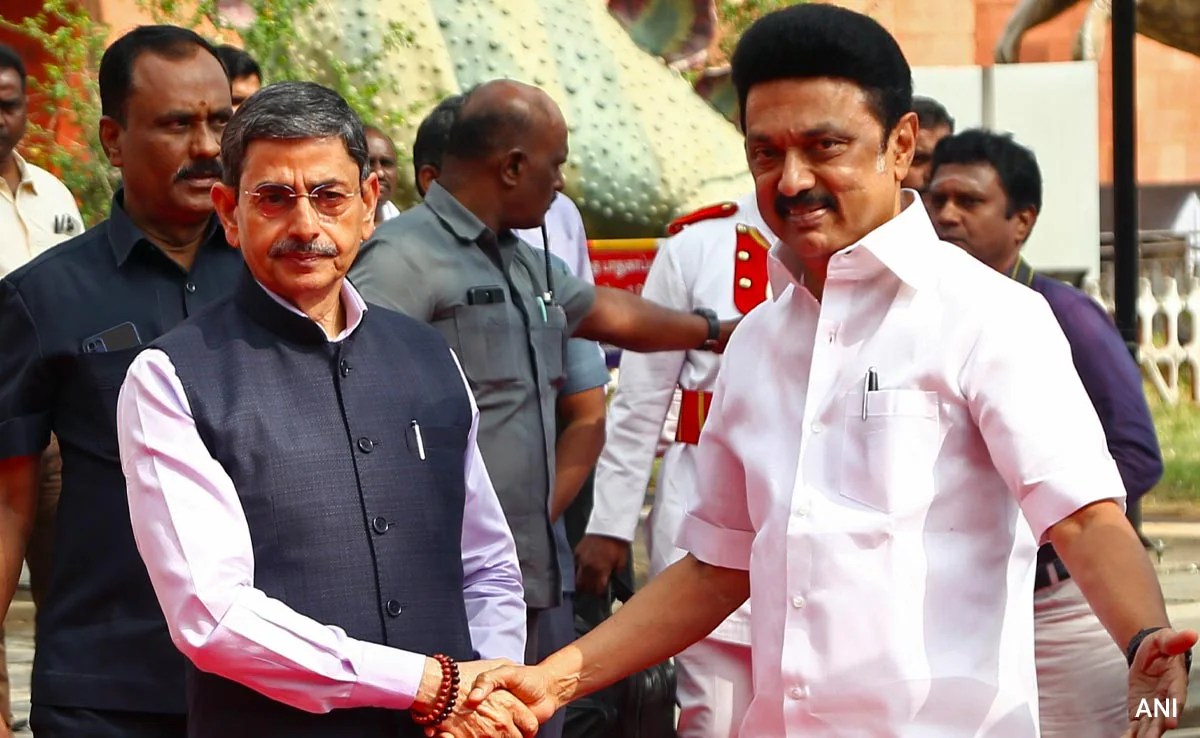
West Bengal — Strategic Eastern Gateway
West Bengal, where R. N. Ravi currently serves as Governor, represents the strategic eastern gateway of India — a state whose intellectual heritage, cultural richness, and geographical position make it one of the most important in India's federal architecture. Kolkata, the state's capital, has historically been a centre of India's intellectual and political life, producing leaders, thinkers, and movements that have shaped the nation's trajectory.
As Governor, Ravi brings to West Bengal the accumulated wisdom of his extraordinary career — intelligence expertise that is particularly relevant to a border state, governance experience across diverse political landscapes, and an institutional understanding of India's federal architecture that informs his approach to centre-state dynamics.
West Bengal's position as a border state, sharing a long and porous boundary with Bangladesh, adds a security dimension to governance that few other states experience with the same intensity. Issues of cross-border migration, trafficking, border management, and regional security cooperation are daily governance realities that require the kind of intelligence-informed perspective that Ravi uniquely possesses.
The state's vibrant democratic tradition — characterised by high political engagement, strong opposition politics, and a media environment that is among the most active in India — creates a governance environment that demands constant engagement and nuanced communication. Ravi's experience navigating similarly complex political environments in Tamil Nadu and the northeast has prepared him for the particular challenges of West Bengal's political landscape.
His governance priorities in West Bengal are expected to encompass institutional strengthening, federal coordination on security issues, promotion of national integration within the framework of Bengal's rich regional identity, and the pursuit of transparent and accountable governance. The state's potential — its intellectual capital, its strategic location, its economic possibilities — makes the Governor's role a particularly consequential one.

The National Integration Perspective
R. N. Ravi's vision of national integration is not one of homogeneity, but of unity within diversity — a constitutional nationalism that celebrates India's regional richness while strengthening the civic bonds that hold the nation together.
Throughout his gubernatorial career across four diverse states, R. N. Ravi has articulated and pursued a vision of national integration that is sophisticated, historically grounded, and constitutionally rooted. This vision recognises that India's strength lies in its diversity — in its multiplicity of languages, cultures, religions, and political traditions — but insists that this diversity must be expressed within a framework of shared constitutional values and civic commitment to the nation.
His conception of national integration draws from his intelligence career, where the ability to understand diverse perspectives, to bridge institutional and cultural gaps, and to find common ground among stakeholders with competing interests is a fundamental skill. In governance, this translates into an approach that seeks to celebrate regional identity while strengthening the national threads that connect India's diverse communities.
Ravi's emphasis on national symbols — the national flag, national days, and shared civic rituals — reflects his belief that national integration requires visible, tangible expressions of shared identity. In a country as diverse as India, where centrifugal forces are always present, these shared symbols serve as reminders of the common project that unites 1.4 billion people across linguistic, cultural, and religious boundaries.
At the same time, his governance across four culturally distinct states has deepened his appreciation for the legitimate claims of regional identity. In the northeast, he engaged with tribal identities and aspirations for cultural preservation. In Tamil Nadu, he experienced the power of linguistic and cultural pride. In West Bengal, he encounters the intellectual tradition and political consciousness of a state that has always been at the forefront of Indian democratic discourse. These experiences have contributed to a national integration perspective that is neither simplistically centralist nor naively regionalist, but rather one that seeks the constitutional middle ground that India's founders envisioned.
Northeast Integration
Deep engagement with the security and development challenges of India's northeastern frontier states, promoting integration through peace processes, governance reform, and inclusive development strategies that respect tribal identities.
Dravidian Engagement
Navigation of Tamil Nadu's powerful regional political culture, seeking to bridge the gap between Dravidian political identity and national governance priorities through dialogue, constitutional processes, and mutual respect.
Eastern Gateway
Strategic governance of West Bengal as a critical node in India's national integration — strengthening the security, institutional, and cultural connections that bind this intellectually vibrant border state to the national fabric.
Insights on Security, Intelligence & Governance
Read R. N. Ravi's perspectives on national security, intelligence systems, and the art of strategic governance.
Read Insights