Governor of Four States
From the tribal highlands of Nagaland to the Dravidian political landscape of Tamil Nadu and the vibrant democracy of West Bengal — R. N. Ravi's gubernatorial journey spans India's most diverse and politically dynamic states.
The Intelligence Governor
R. N. Ravi approaches gubernatorial governance with the analytical precision and strategic depth of his intelligence career — transforming the constitutional office into an active instrument of institutional accountability and federal integration.
States Served As Governor
Nagaland, Meghalaya, Tamil Nadu, and West Bengal — each presenting unique political, cultural, and administrative challenges that tested the full range of his leadership capabilities.
First Gubernatorial Appointment
Transition from Deputy NSA to Governor of Nagaland marked the beginning of a new chapter — applying intelligence-honed strategic thinking to constitutional governance.
Governor of Nagaland (2019–2021)
R. N. Ravi's appointment as Governor of Nagaland was uniquely significant — it brought to the gubernatorial office a leader who had been deeply involved in the Naga peace process as the Government of India's interlocutor while serving as Deputy NSA. This dual familiarity with both the security dimensions and the political complexities of the Naga issue made him one of the most well-informed Governors to ever serve in the state.
Nagaland, with its complex history of insurgency, ethnic diversity, and aspirations for greater autonomy, presented governance challenges that required exactly the kind of strategic patience, cultural sensitivity, and security awareness that Ravi's intelligence career had developed. The state's relationship with the Indian Union has been shaped by decades of armed conflict, peace negotiations, and the delicate balance between national integration and regional identity.
As Governor, Ravi engaged actively with the peace process, bringing his intimate knowledge of the negotiations to bear on the gubernatorial role. His understanding of the various Naga factions — their motivations, their leadership dynamics, their historical grievances — enabled him to serve as a bridge between the state's political processes and the broader peace negotiations that were being conducted at the national level.
His tenure also focused on governance reform, institutional strengthening, and development initiatives aimed at addressing the socio-economic challenges that continue to affect Nagaland. He emphasized the importance of transparent governance, accountability in the utilization of central funds, and the need for Nagaland to develop its own economic base rather than relying solely on central transfers.
The Nagaland experience confirmed that Ravi's intelligence background was not merely relevant but essential to effective governance in conflict-affected regions. His ability to read political dynamics, to anticipate challenges, and to maintain strategic composure in volatile situations made his gubernatorial tenure in Nagaland uniquely effective.
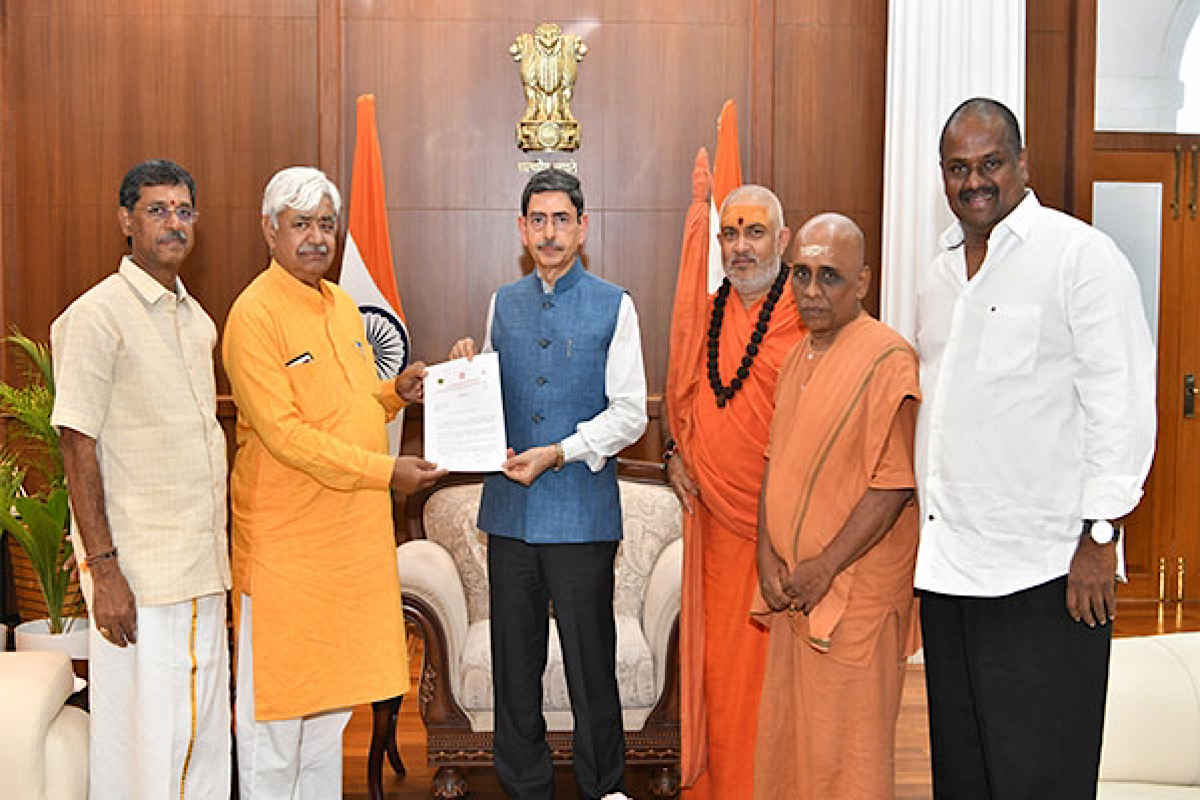
Governor of Meghalaya
Simultaneously serving as Governor of Meghalaya along with Nagaland, R. N. Ravi demonstrated the administrative versatility and strategic bandwidth that his intelligence career had cultivated. Meghalaya, with its unique tribal governance structures, its matrilineal societies, and its distinct political culture, presented a different set of governance challenges that required a different approach from the one employed in Nagaland.
In Meghalaya, Ravi focused on understanding the state's unique institutional structures — the traditional governance systems of the Khasi, Jaintia, and Garo communities that coexist with modern democratic institutions. This dual governance framework, where traditional chiefs and councils exercise significant authority alongside elected representatives, required a gubernatorial approach that respected indigenous institutional traditions while ensuring constitutional compliance.
His tenure in Meghalaya reinforced his understanding of the northeast's diversity — the fact that each state, each community, has its own specific governance needs, security dynamics, and development aspirations. This granular understanding of regional diversity would later inform his approach to governance in Tamil Nadu and West Bengal, where he similarly sought to understand the specific political and cultural dynamics of each state.
The simultaneous governance of Nagaland and Meghalaya also highlighted Ravi's capacity for multi-dimensional strategic thinking — the ability to manage complex governance challenges across multiple jurisdictions while maintaining focus on the specific needs of each state. This capacity for strategic multitasking, developed through decades of managing complex intelligence portfolios, proved invaluable in the gubernatorial context.

Governor of Tamil Nadu (2021–2025)
R. N. Ravi's appointment as Governor of Tamil Nadu in September 2021 marked one of the most consequential and publicly debated gubernatorial tenures in recent Indian history. Tamil Nadu — one of India's most politically conscious, economically advanced, and culturally distinctive states — presented governance challenges of an entirely different nature from those of the northeast.
The Dravidian political landscape, with its deep roots in social justice movements, linguistic identity politics, and a tradition of strong state-level political parties, created a governance environment that demanded constant engagement with complex political dynamics. Ravi's intelligence background, with its emphasis on analytical understanding of political movements, factional dynamics and institutional processes, provided him with tools to navigate this terrain.
His tenure in Tamil Nadu was marked by an active gubernatorial style that drew both praise and criticism. Ravi's willingness to use the constitutional powers of the Governor's office to challenge state government decisions, to raise issues of national integration and security, and to engage with questions of educational policy and cultural governance made his tenure one of the most discussed in recent gubernatorial history.
Key aspects of his Tamil Nadu governance included his emphasis on national integration — encouraging the display of national symbols and the observance of national days as unifying practices. He also engaged deeply with issues of educational governance, particularly regarding the autonomy of educational institutions and the role of the Governor as Chancellor of state universities.
His approach to state-center relations in Tamil Nadu reflected his understanding of India's federal structure as one that balances regional autonomy with national cohesion. While some viewed his active gubernatorial style as overreach, others saw it as a necessary assertion of the constitutional role of the Governor in maintaining the federal balance — particularly in states where the state government's policies might diverge from national priorities.
The Tamil Nadu experience deepened Ravi's understanding of India's political diversity and reinforced his conviction that effective governance requires constant engagement with the complex interplay between regional identity, national integration, constitutional processes, and democratic accountability.
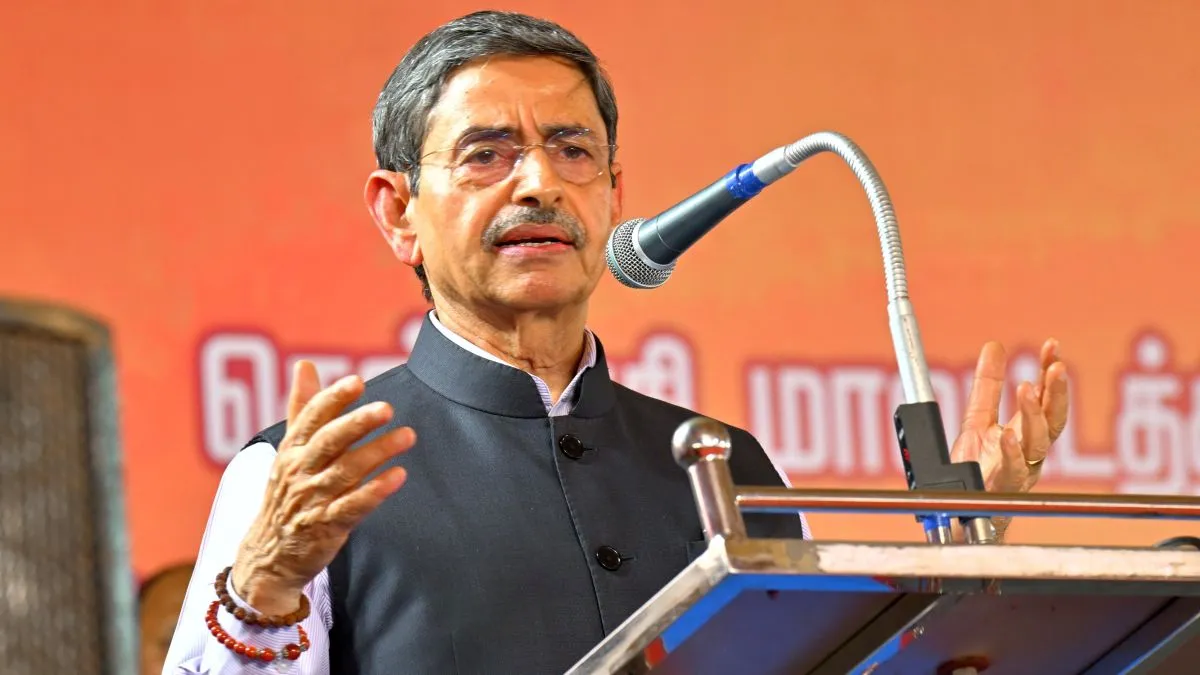
Governor of West Bengal (Since March 2026)
Since 12 March 2026, R. N. Ravi serves as the Governor of West Bengal, bringing to this pivotal constitutional position the full weight of his extraordinary career spanning intelligence, security, and multi-state governance experience. West Bengal — with its rich intellectual tradition, its complex political dynamics, and its strategic importance as a border state — represents a governance challenge that uniquely matches Ravi's distinctive skill set.
West Bengal's political landscape is characterized by strong regional political forces, a deeply engaged electorate, and a tradition of political discourse that is among the most vibrant in India. The state's position as a border state, sharing boundaries with Bangladesh, Nepal, and Bhutan, adds a security dimension to governance that Ravi's intelligence background equips him to address with particular effectiveness.
As Governor of West Bengal, Ravi brings his intelligence-honed understanding of security dynamics to a state where border management, cross-border trafficking, and regional security cooperation are critical governance issues. His experience as Deputy NSA, where he dealt with India's border security challenges at the strategic level, provides him with a perspective that few previous Governors have possessed.
His governance priorities in West Bengal are expected to reflect his characteristic emphasis on institutional integrity, federal coordination, national integration, and transparent governance. The state's robust democratic traditions, its intellectual heritage, and its strategic importance make the Governor's role in West Bengal one of the most significant in India's federal architecture — a role that demands precisely the combination of strategic vision, institutional knowledge, and administrative experience that Ravi brings to the position.

Administrative Style & Federal Vision
Active Governorship
R. N. Ravi approaches the Governor's office not as a ceremonial position but as a constitutional instrument for ensuring accountability, institutional integrity, and the proper functioning of democratic processes within the state. His intelligence background imbues his governance with a proactive, engagement-oriented style that has redefined expectations of gubernatorial leadership in India.
Federal Balance
His approach to state-center relations reflects a sophisticated understanding of India's federal architecture — recognizing that the strength of Indian democracy lies in the balance between regional autonomy and national cohesion. He views the Governor as a critical nexus in maintaining this balance, ensuring that constitutional processes are respected while state governance remains responsive to national priorities.
Security-Informed Governance
His intelligence career provides a unique analytical lens through which he views governance challenges. Every administrative decision is assessed not only for its immediate policy impact but also for its security implications, its institutional consequences, and its alignment with broader national strategic objectives. This security-informed governance approach brings depth and rigor to the constitutional office.
Public Policy & Strategic Governance
Discover how R. N. Ravi's intelligence-informed governance has translated into tangible policy outcomes and strategic administrative decisions.
Explore Policy Impact